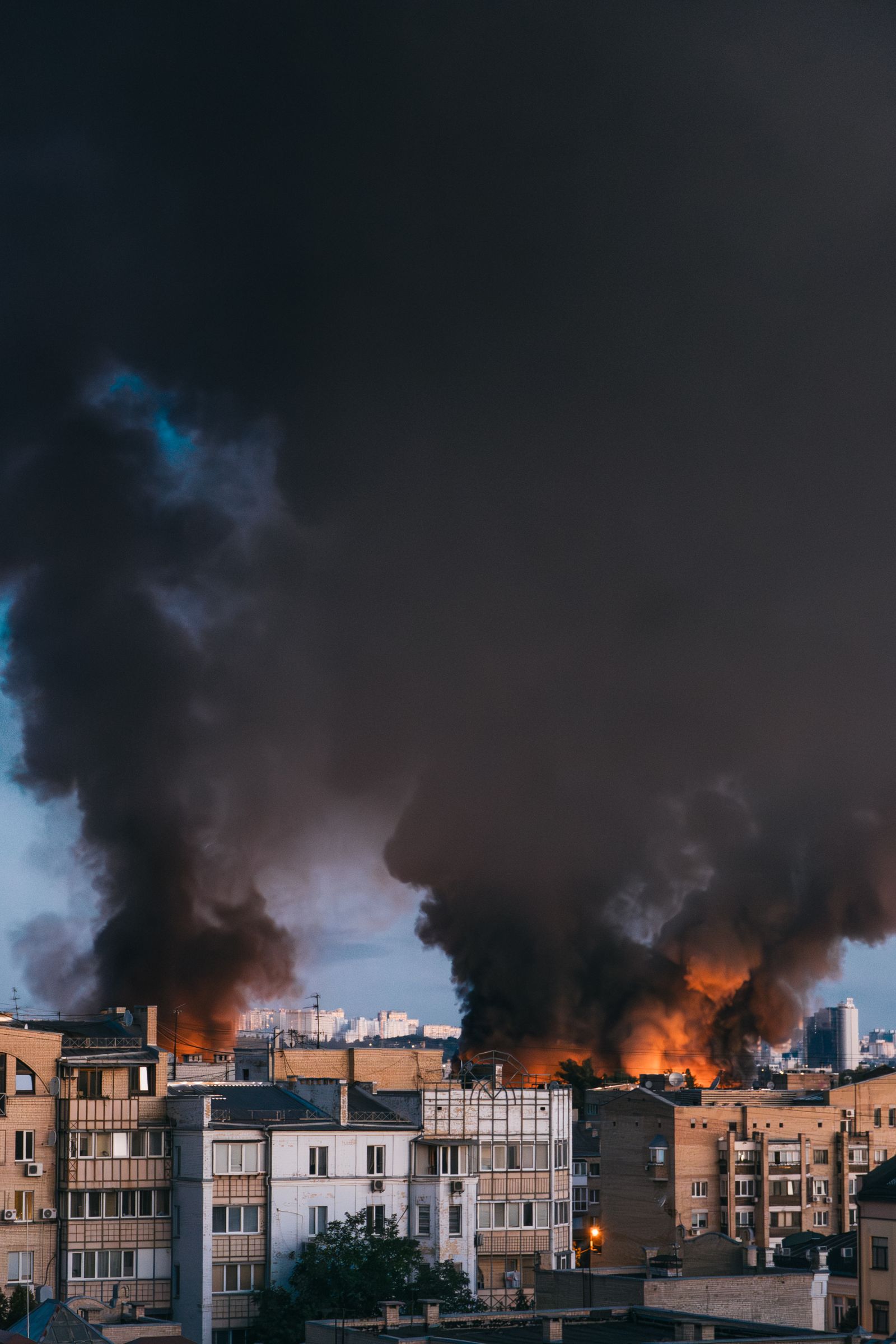
Columns of black smoke rising over a city skyline at dusk
Operations / Critical Events & Disaster Response

The first 72 hours decide what happens next.

Disaster does not create trafficking, but it can rapidly expand the conditions traffickers exploit. In the first 72 hours, systems are strained, normal patterns break down, and communities often operate with limited visibility. That window matters.
The window

Arrive fast and support the people already carrying the burden.

Early coordination and a disciplined presence in that window can reduce risk before instability hardens into something worse. Millstone’s mission is built around that critical period.

Human trafficking spikes during natural disasters, because local public safety professionals are distracted by the emergency at hand. Smaller jurisdictions along known trafficking routes are most affected, due to limited resources.

The Millstone Foundation closes that gap. We provide proven training at no cost to small jurisdictions in areas of the continental United States that are subject to natural disasters (tornadoes, hurricanes, and severe storms) and that sit within known human-trafficking corridors.

  • We provide anti-trafficking training to all public safety personnel and the agencies that support them
  • We assist small jurisdictions in completing Threat, Hazard Identification, and Risk Analysis (THIRA) to identify gaps with the potential to overwhelm and distract from anti-trafficking efforts
  • Our THIRA methodology makes sure human trafficking gets analyzed properly, so a jurisdiction can prepare for it rather than be surprised by it
  • We use National Standard Incident Command System (ICS) training designed specifically to address human-trafficking prevention during events that overwhelm smaller jurisdictions
  • We provide national-standard training
  • We develop and deploy teams of specialists to assist
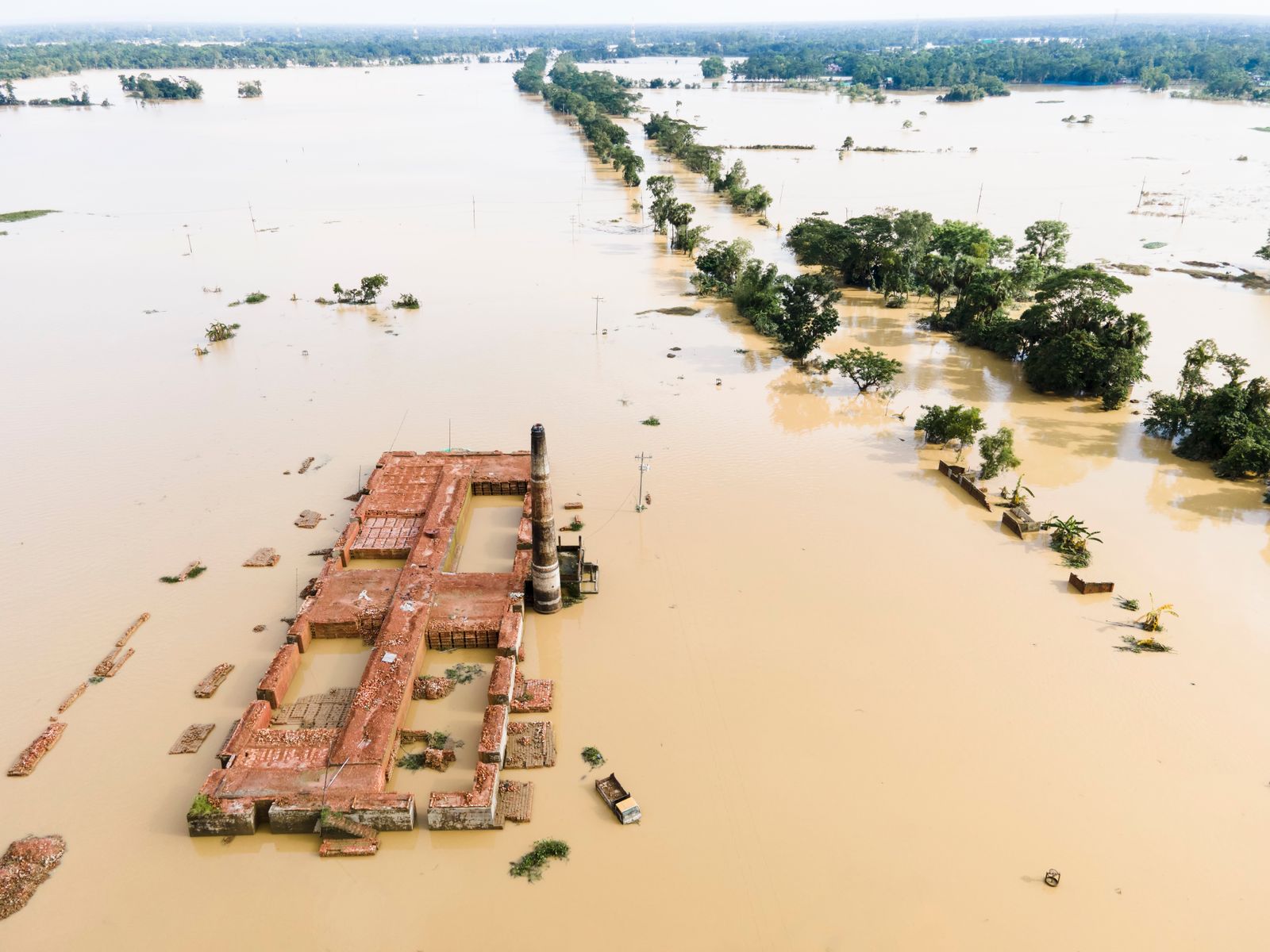
Aerial view of floodwater covering fields and a brick factory
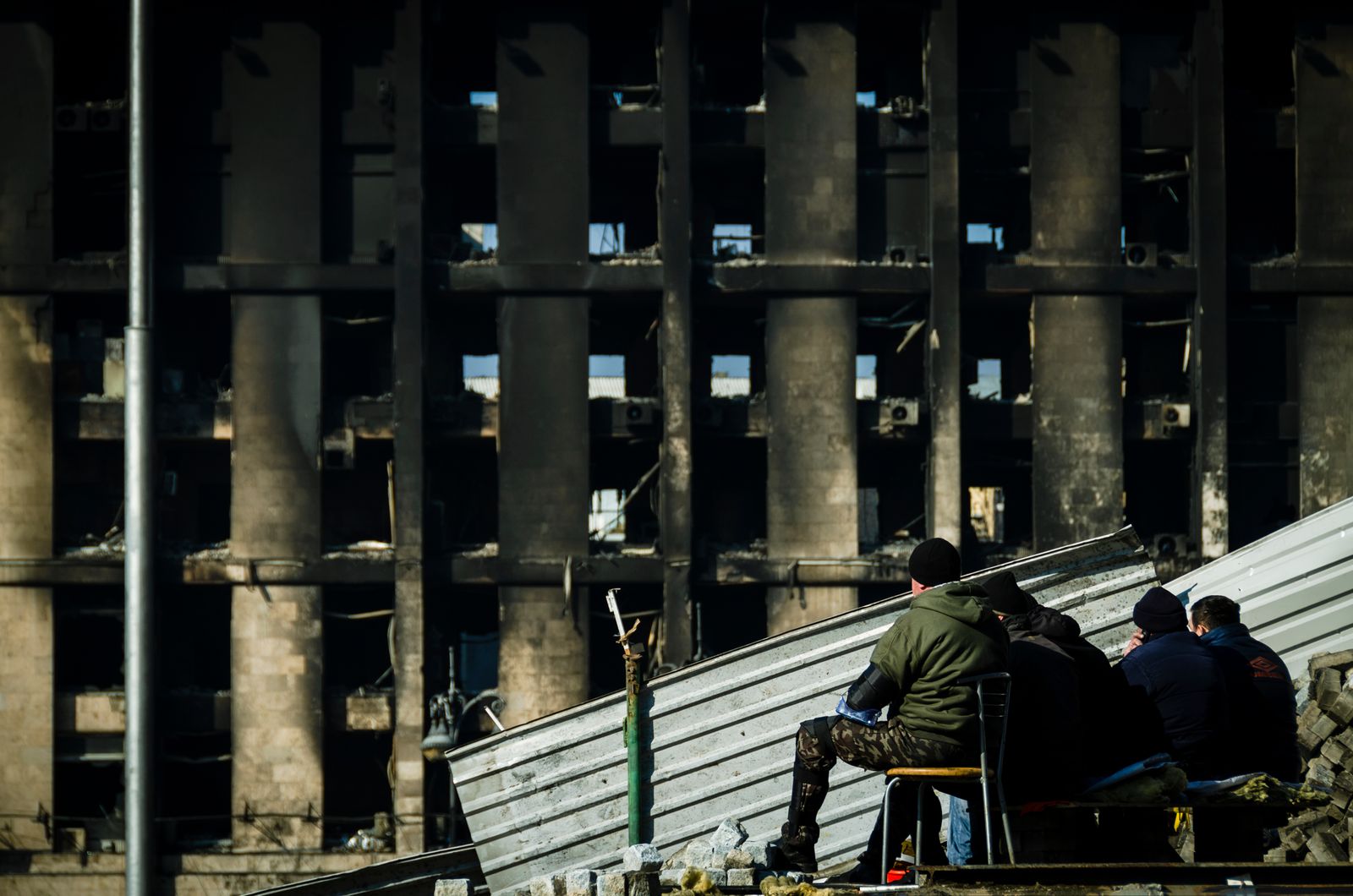
People sitting on debris in front of a burned-out building
The Model

Before, during, and after the disaster.

The risk does not begin or end with the storm. Millstone’s support is built to run the full arc of a critical event.

Phase 01 · Prepare & Train

Before disasters: we work with first responders, agencies, and community organizations in advance, so they know what trafficking looks like in a disaster. Before anything happens, we help them build plans, run training, and add practical safeguards into existing systems, so it is harder for traffickers to move unseen when a crisis comes.

Phase 02 · Deploy & Support

During disasters: as signs of crisis mount and events unfold, we respond to requests from agencies, NGOs, and communities. When invited in and where the law allows, we join trusted partners on the ground to help prevent trafficking, support the safe movement and sheltering of people, and provide operational support so existing teams are not carrying the load alone.

Phase 03 · Stabilize & Strengthen

After disasters: when the immediate emergency begins to pass, the risk does not disappear with it. Millstone works with agencies, organizations, and communities to identify lingering vulnerabilities and strengthen readiness through follow-up support and lessons carried into the next event.

Related · How We Work

Request Support

Bring no-cost anti-trafficking readiness to your jurisdiction.